
The singer doth protest too much?
Sharing new pieces on political music (and some parts cut out of them). May include unpopularly positive opinions re: Jesse Welles
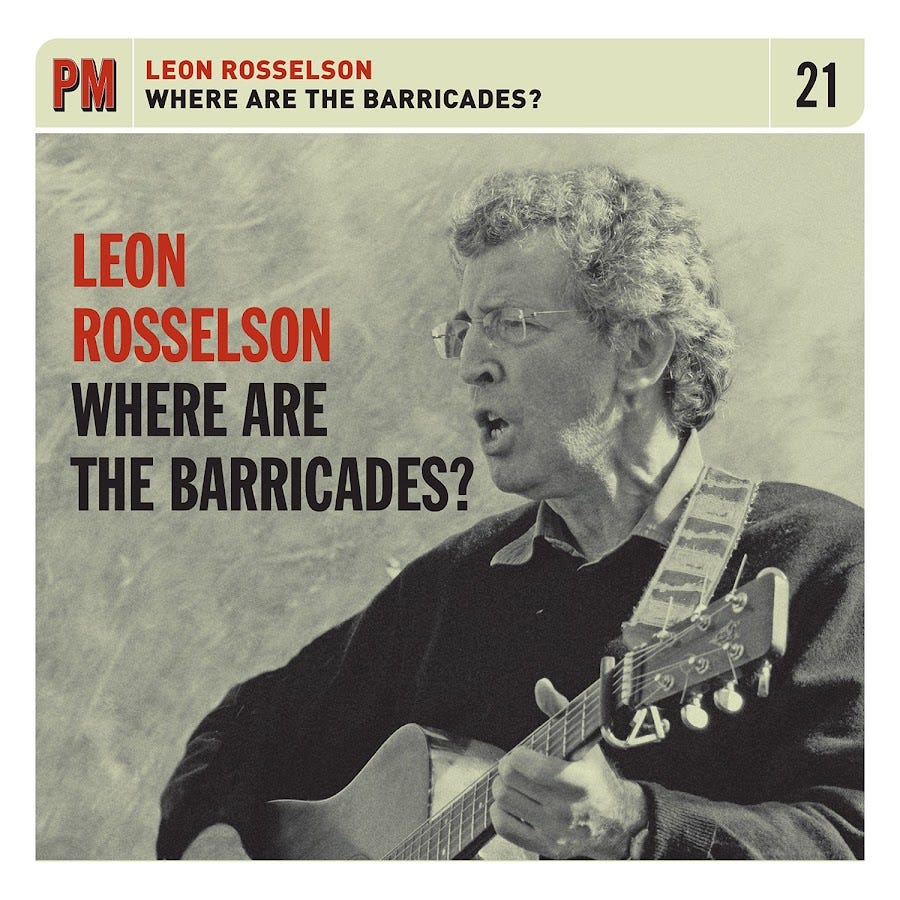
I have lots of new stuff out there this week! Let me start with the one I like best, which is a shorter essay for Hilobrow’s “Cahun Your Enthusiasm” series on anti-fascist art (the intro I just linked explains the inspiration for the title), alongside writers like Lucy Sante, Annie Nocenti, and even Mike Watt sharing a favourite old D. Boon lyric.
Mine is about the now-nonagenarian UK singer-songwriter Leon Rosselson, who’s kind of Britain’s Phil Ochs and its Tom Lehrer all at once. You’re most likely to know him via Billy Bragg’s cover of “The World Turned Upside Down” (the one about the Diggers). But my piece focuses on the first I heard, in my early teens, called “Palaces of Gold.” It blew something open in my mind.
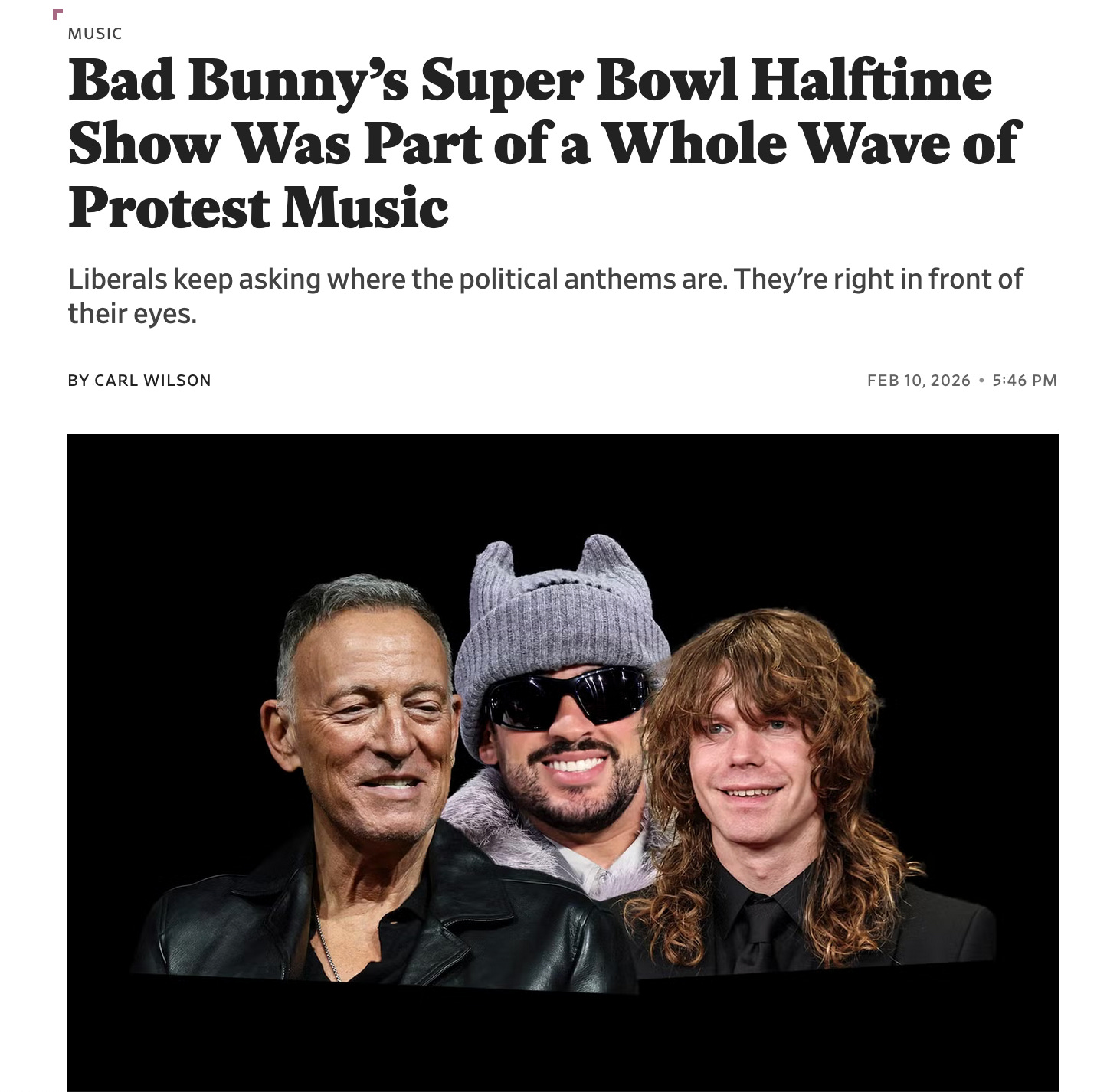
The big piece of the week, though, is a long essay in Slate about protest songs. In mid-January I pitched it mostly as a story on the divisiveness of Jesse Welles, the digital troubadour people seem to either love or hate. But then came all the new protest songs released in response to ICE and the killings in Minneapolis. And then came Bad Bunny’s Grammy win (oh, here’s my Grammy review as well) with his anti-ICE speech there among others, and his politically loaded Super Bowl halftime show. So the field kept expanding and expanding.
The essay’s main theme ended up being how people who ask “where are all the protest songs” tend to look in the wrong places for the wrong reasons. Most protest singers today don’t look like Bob Dylan and Neil Young. They don’t play acoustic guitar. And as the past month has reminded us, the most effective protest songs tend to be inspired by already existing movements, helping to rally, motivate, sometimes explain them. They don’t start or lead the movements. Songs don’t “change the world”; they can only be part of something larger that does. And then, even when political singers do fit the image, as Jesse Welles does, that only confuses things further. Because it’s 2026 and Welles isn’t a coffeehouse folkie or train-hopping ragamuffin. He’s an internet influencer using TikTok and Instagram much the way the sly careerist Dylan exploited Sing Out! and Broadside magazines as venues to get his songs out and build attention. I think that digital reality behind the scruffy-poet camouflage is Welles’ most compelling feature.
There’s a lot of other stuff in there too.1 But other bits I had to cut because the piece was too long. I’ll share some of those, exclusively for Substack readers, below.But first, I also made a playlist of 2020s protest songs to accompany the article, which you can find on the following platforms:
SpotifyFor some thoughts on music and politics not from me, but from the ground in Minnesota, let me recommend the great Keith Harris’s recent piece, “I Watched Eric Church Perform in St. Paul While ICE Thugs Were Kidnapping My Neighbors.” Beyond current circumstances, I also just appreciate its treatment of the longstanding dilemma about Eric Church as a country singer not like the others, yet frustratingly also never quite the person you want him to be.
Finally, before I get to those outtakes, I should add that you can hear me talking about protest songs on both last week’s Slate Culture Gabfest and Tuesday’s edition of CBC’s Commotion, the latter with my old friend Vish Khanna. I think that was a particularly good conversation. (When we recorded the Gabfest, I was still in the middle of researching so my thoughts were jumbly.)
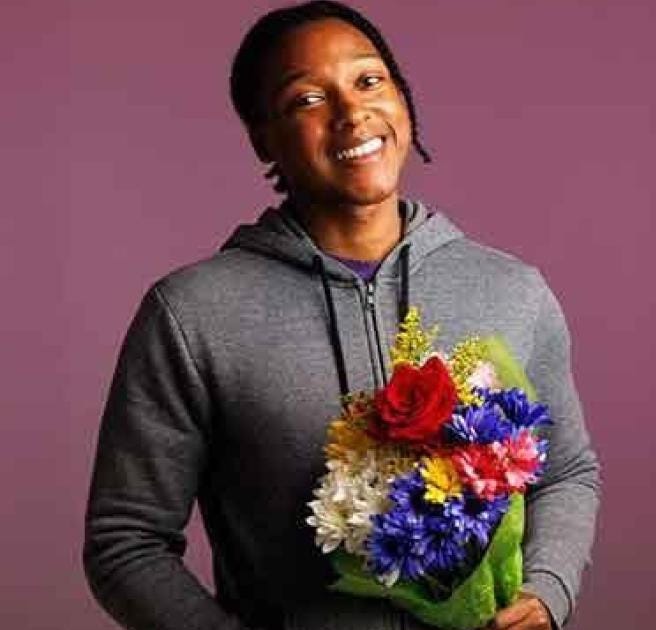
Josh Johnson Okay, outtake no. 1: When I first conceived of a piece about Welles, I wanted to write about his online project in comparison with that of the comedian Josh Johnson, whom you might also know from The Daily Show. That point didn’t make it into the published piece, but I still think it’s an interesting one. As I’ve mentioned on “Crritic!” before, since 2023, Johnson has been performing the astounding feat of posting a whole new YouTube standup special every Tuesday, usually reflecting the news of the previous week. It’s not everything Johnson does, but it’s his most consistent practice.
Like Welles with his more-or-less weekly topical songs, if you watch enough of Johnson’s stuff, you start noticing that it generally follows a particular formula: It begins with a set of affable personal anecdotes, often stories from childhood or about a friend of his who has some notable quirk. This stuff often feels like some very middle-of-the-road standup from decades past, like the storytelling Bill Cosby made his name on (before we found out about his crimes, of course). Then at some point the routine takes a turn. Johnson makes a transition from the personal stuff to whatever story from the news has caught his attention—and we realize that the earlier anecdotes all had the same theme, the same moral point, as what he wants to say about current events. It’s a neat structural trick, and even when you learn to see it coming, the details are still surprising each time.
My point is that the ability to turn out large amounts of material kind of depends on having such techniques and templates to hand. But it does have its limits. I couldn’t binge a bunch of Johnson’s weekly specials in a row without beginning to tire of the sleight of hand. They’re not meant to be watched that way. Likewise, Welles’s topical songs come off a lot better if you listen to one or two as you come across them in your feed. They get repetitive and wearing if you listen to too many at once. They don’t really work as albums. (By the way, neither do Dylan’s early topical records, to me.)
But Welles also makes studio albums of more personal songs that have their own, different strengths and weaknesses. If people could understand his topical songs on social media as a specific project, not as the sum total of who he is or is trying to create as a musician or person, it might help people be a little less weird about him. Because I think people are a bit weird about him. There’s a whiff of tall-poppy-syndrome, that people resent that he came up with a successful trick that other deserving songwriters didn’t. Also that he has neither a postsecondary education nor an activist background, and often doesn’t follow the correct lefty ways of saying and doing things. (In that sense, again, a disconnection from movements makes him a less effective political singer.) Of course he has the huge benefit of being white and male and fitting the Jungian archetype of “protest singer” in the American mind; as I say in the piece, I agree other political singers deserve more of the same shine. But maybe this perspective, and the parallel between his approach and Johnson’s, who pretty much everyone seems to love, can help people be a few degrees less overheated about it.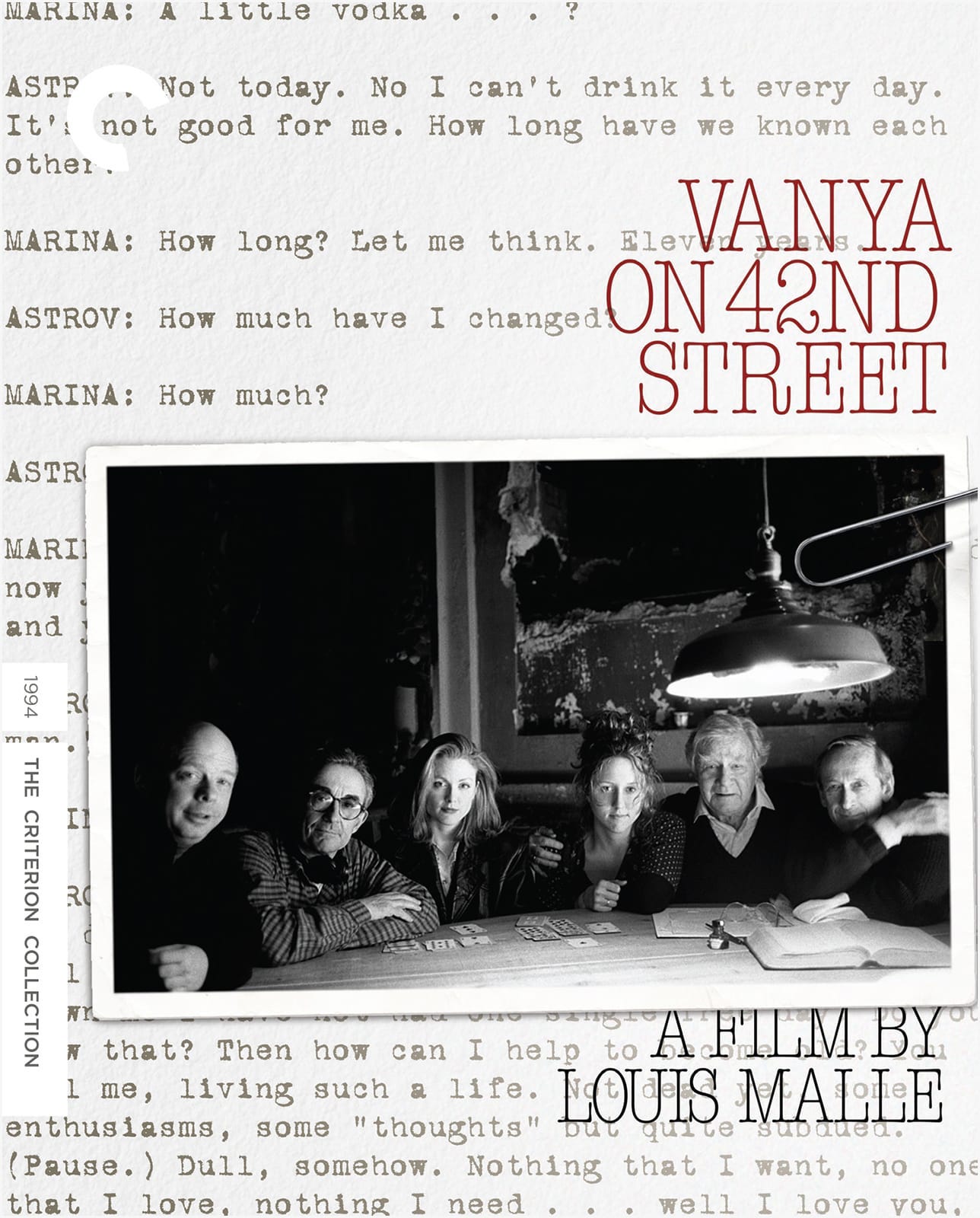
Incidentally, and maybe I’ll write more about this some other time, I really am interested in that question of speed and prolificness as an aesthetic—as well as in its opposite, extreme slowness, the fastidious types who take forever between books or albums or films. (I welcome more suggestions of the latter.) In the immortal words of Harold Arlen—a definite quick-and-dirty Tin Pan Alley guy, who published more than 500 songs—”don’t mess with Mr. In-Between.”
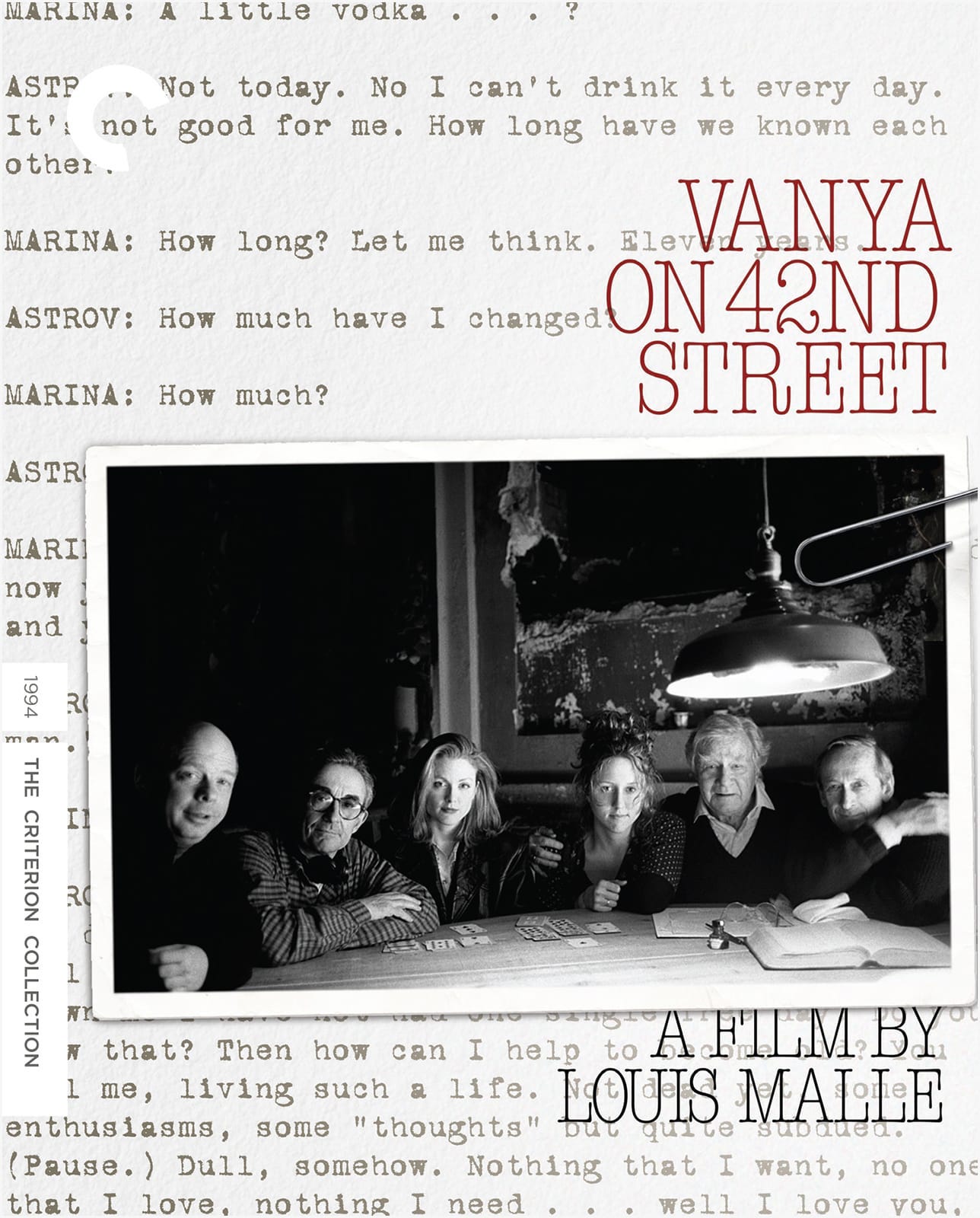
In a paragraph we cut from the Slate piece, I contrasted two cases from the theatre: On the fast-and-cheap side, the West Bank Cafe Theatre in New York’s Hell Kitchen in the 1980s, which I heard about through interviews with comedian Lewis Black, who was co-artistic director there in his youth—they would write and stage a new one-act play almost every week. Then they’d discard that and move on. At the opposite extreme, there are André Gregory’s productions (the André of My Dinner with André), in which a cast might rehearse a Chekhov play literally for years, part-time, exploring its nuances, before ever bringing it to an audience. You can see the results in the film Vanya on 42nd Street.
In my aesthetic ideals, either of those approaches seem much more exciting and likely to produce something great than the usual theatre thing of doing a few workshops, then rehearsing for three or four weeks and putting the show up, which seems to breed a lot of mediocrity. Likewise with making albums. I understand why people don’t do this, but I’d rather see artists make either multiple albums a year, or, say, one every decade.On a whole other subject, here are an additional couple of sentences about hip-hop that we had to cut, but that I think were kinda interesting: It’s political even in its aspirational bills-and-bling branches, in its dirtiest hedonism (especially when coming from Black women: I say “WAP” is a protest song), and in its contradictory nature as an art born of poverty that became its own path to prosperity and possible new cycles of exploitation (as the Diddy trial, for instance, forced us reluctantly to consider).
Finally, on the political virtues of slow listening, I also had this short section about Drew Daniel’s new The Soft Pink Truth album, and his recent moving essay about it in The Quietus:
The writer and musician Drew Daniel, who is half of the experimental music duo Matmos, found himself pondering similar problems of intelligibility and effectiveness in the past couple of years. In an essay called, “On Creating Art Under Fascism,” he describes how his solo dance-music project The Soft Pink Truth felt soiled by Trump’s embrace of disco, given his frequent gyrations to “YMCA.” In fact, when so many were suffering and malevolent forces were driving his nation into decline, how could Daniel justify continuing to make music at all? His attempt at an answer was to create complex chamber music, a form in which he’s completely untrained, with close and distant collaborators, for a new album with the extremely tongue-in-cheek title, Can Such Delightful Times Go On Forever? “I have noticed over the past five years,” he writes, “that the uglier the world gets, the more seemingly ‘beautiful’ my records sound.” This approach is closer to André Gregory’s Chekhov mode—though it could appear like a conservative retreat, Daniel hopes that this new music can work as a psychic respite and reset for the listener’s attention, as an aid to resisting doomscrolling, depression, and kneejerk reactionary mental habits.
… And that concludes today’s tour of the cutting-room floor. Hope you enjoyed it. I’d be eager to hear what any of you think about the above pieces. Or the one I’m writing for Slate for Friday, about Charli XCX’s album of songs for Emerald Fennell’s Wuthering Heights film, her first kinda-sorta followup to Brat.
Till then, you poor take courage, you rich take care.
If the link above didn’t work for you, try this one.
Thank you for the playlist. If you ever make another you could consider including Art Bergmann’s “ Christo Fascists”. Art has been writing protest songs for 40 years.
Liked as soon as I saw the Leon Rosselson piece. I have a number of favorites (I'd mention, "Bringing The News From Nowhere") but I recently wrote about one song which blew my mind when I was growing up:
https://earnestnessisunderrated.substack.com/p/one-song-the-last-chance